Recording Revolution
The Geoff Emerick Story
He was just a teenager when he stepped into Abbey Road Studios. He had no formal training, just a love for music and a contempt for the rules. He broke them all to help a young band from Liverpool create the sound of a generation.
This story is detailed in the book, Recording Revolution, and you can read Emerick's own account in his celebrated biography, "Here, There and Everywhere."
Get The BooksThe Albums That Changed The World
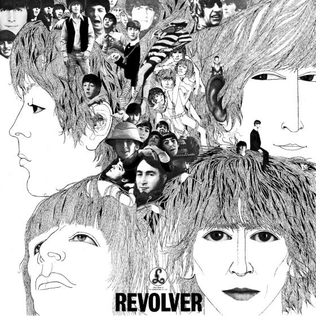
Revolver (1966)
The rulebook was thrown out. This is where the sonic arms race began. Emerick, newly promoted to chief engineer at only 20, was told to do the impossible. He delivered sounds no one had ever heard before, turning the studio itself into an instrument.
Tomorrow Never Knows: Vocals Through a Leslie Speaker
John Lennon wanted to sound like the Dalai Lama chanting from a mountaintop. Emerick broke EMI rules by wiring a vocal mic through the rotating speaker of a Hammond organ, creating a swirling, otherworldly vocal effect that became legendary.
Eleanor Rigby: Close-Miking Strings
Strings were traditionally recorded from a distance. Paul McCartney wanted them raw. Emerick moved mics to within inches of the instruments, capturing every scratch of the bows. The result was revolutionary.
Artificial Double Tracking (ADT)
Tired of Lennon's complaints about singing everything twice, Emerick and Ken Townsend invented ADT. They used a tape machine to create a second, slightly delayed vocal track automatically. It changed recording forever.
Sgt. Pepper (1967)
A masterpiece of studio invention. With no rules left to break, Emerick started inventing new ones. The studio became a laboratory, using multiple tape machines, wild panning, and direct injection to create a seamless sonic tapestry.
A Day in the Life: Orchestral Crescendos
How do you capture the sound of the end of the world? Emerick recorded a 40-piece orchestra four times over, layering the recordings to create a massive, chaotic swell. The album ends with a legendary piano chord sustained for over 40 seconds.
Direct Injection (DI) Bass
To give McCartney's bass a cleaner, more prominent sound, Emerick bypassed the amplifier and plugged the bass directly into the mixing console. This DI technique, now standard practice, gave the bass unprecedented clarity.
Pitch Control & Tape Loops
Emerick manipulated tape speeds constantly. For "Being for the Benefit of Mr. Kite!", he physically cut up tapes of calliope music, threw the pieces in the air, and spliced them back together at random.

The White Album (1968)
The sessions were tense and fractured. Emerick's job was to capture raw, unfiltered rock and roll. The strain became too much, and Emerick famously quit mid-project, unable to handle the negative atmosphere.
Revolution 1: Intentional Distortion
For a grittier, angrier sound, Emerick overloaded the microphone preamplifiers on the mixing console, creating a fuzzy, distorted guitar tone that was unheard of in a professional studio like Abbey Road.
Padded Drums & Heavy Damping
To get the tight, dead drum sound Ringo Starr wanted, Emerick had him stuff his drums with tea towels and sweaters. This damping technique removed ringing overtones, creating a punchy, focused sound.
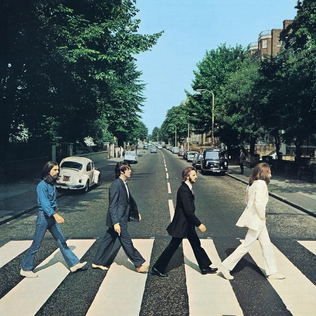
Abbey Road (1969)
Lured back for one last album, Emerick returned to a brand new, solid-state mixing console. This was The Beatles' swan song, and he gave it a pristine, modern, and timeless sound, blending his revolutionary techniques with cutting-edge technology.
The Moog Synthesizer
George Harrison brought in a massive Moog synthesizer. Emerick integrated this alien instrument, creating the bubbling textures on "Because" and the iconic solo on "Here Comes The Sun," pushing pop into the electronic age.
Mic'ing the Leslie on Guitar
Having used the Leslie speaker on vocals, Emerick now applied it to George Harrison's guitar on tracks like "Sun King." The shimmering, liquid guitar tone became a hallmark of the album's dreamy soundscape.
The Revolutionary's Arsenal
EQ (Equalization)
The process of adjusting the balance of different frequencies (bass, mid, treble). Emerick used EQ not just to correct, but to radically sculpt sounds, making a guitar cut through the mix or giving a voice an intimate feel.
Compression
Reducing the dynamic range—making loud parts quieter and quiet parts louder. Emerick used it aggressively to make drums punchier, vocals smoother, and to sustain the final piano chord of "A Day in the Life."
Mixing Console
The nerve center of the studio. Emerick treated the console as his instrument, pushing it to its limits and beyond to create distortion and other effects the designers never intended.
Read the Full Story
Dive deep into the sessions, the innovations, and the genius. Choose your path to the full story below.
Comments
Post a Comment