“I just want it known I'm allowed to put four songs on the album, whatever happens.” John Lennon had
“I just want it known I'm allowed to put four songs on the album, whatever happens.” John Lennon had
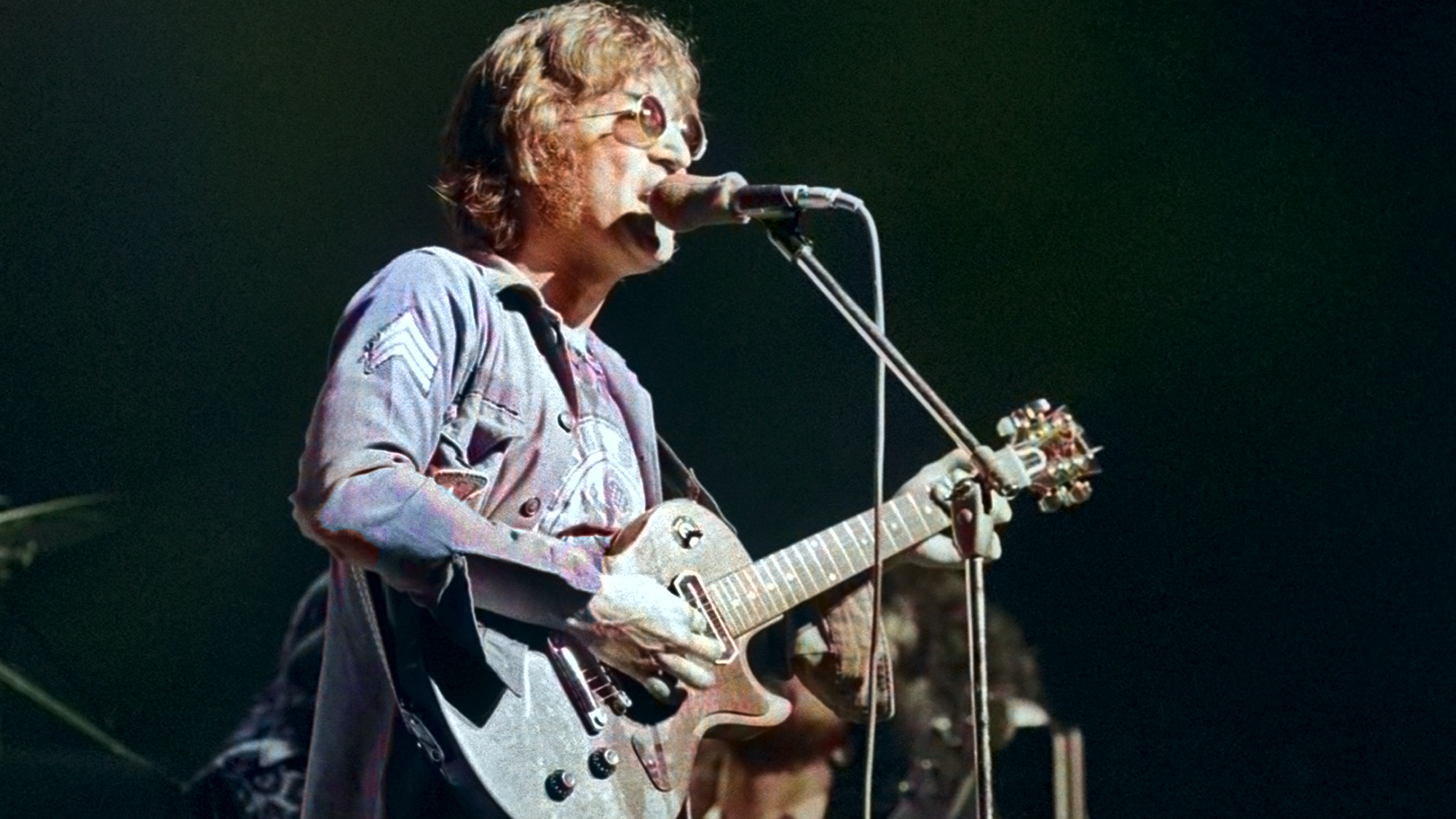
Table of Contents
- Intro — Why this topic still matters
- Inside the Sessions
- Gear & Technique
- The Geoff Emerick Way
- Impact & Legacy
- Local Lens
- Essentials Playlist
- Read the Book
- Source & Notes
Intro — Why this topic still matters
The Beatles were more than a band; they were a worldwide phenomenon that changed the landscape of music. Despite the tension that mounted towards the latter years of their career, including those captured in their last recorded meeting, Lennon, McCartney, and Harrison still demonstrated a craving for artistic evolution. John Lennon's remark about having freedom to contribute four songs on the album epitomizes the push and pull within the group. This period, often misunderstood and shrouded in rumors about why they parted ways, provides valuable insight into their creative dynamics and how they continually pushed the technical limits of their recording sessions.
Inside the Sessions
The last recorded Beatles meeting offers a rare glimpse into the mindset of John Lennon, Paul McCartney, and George Harrison during their later studio sessions. These sessions were held in the iconic Abbey Road Studio Two, a familiar home to their revolutionary sound experiments. During these meetings, the band members discussed song allocations, which highlighted individual creativity while still forging a path forward together. As they crafted tracks, such as Lennon's proposed four contributions, they pushed the envelope of recording technology with innovative takes and edits that reflected not only individual artistry but also collective identity.
Gear & Technique
The Beatles' recording sessions during this era were defined by pioneering techniques and cutting-edge equipment. Their choice of microphones, such as the Neumann U47, facilitated hallmark vocal sounds. The use of the EMI REDD console provided a unique warmth to their recordings through its tube-based design. Meanwhile, the implementation of Abbey Road’s unique Artificial Double Tracking (ADT) and varispeed innovations added wavelengths of depth and character to their music.
Outboard gear like the Fairchild 660 compressor played a vital role in shaping the tone and dynamics of recordings. It delivered the punch and sustain that characterized many of their later tracks. The band's liberal experimentation with techniques such as tape loops and contrast layering further set their sound apart and inspired future musicians to embrace the studio as an instrument.
The Geoff Emerick Way
Geoff Emerick, famed for engineering some of the Beatles’ most iconic albums, left an indelible mark on their sound. His approach was often categorized by a willingness to embrace unorthodox methods, such as accepting tape saturation and intentional bleed to build a more immersive soundscape. Readers interested in these groundbreaking techniques will find much to explore in “Recording Revolution: The Geoff Emerick Story” by William Zabaleta. His insights provide a deeper understanding of Emerick’s decisions to capture the magic between Lennon, McCartney, and Harrison.
Emerick's style was to take calculated risks, utilizing contrasts in sonic textures and the judicious application of compression and equalization to underpin the emotive narratives of their songs. His work on albums such as "Sgt. Pepper's Lonely Hearts Club Band" and "Revolver" exemplifies an innovative mindset that still resonates in today’s recording practices.
Impact & Legacy
Even decades later, the Beatles' recording techniques continue to influence contemporary artists across genres. From the layered productions of artists like Radiohead to the analogue warmth found in the music of Tame Impala, the Beatles’ legacy in the studio lives on. Songs cultivated during their final sessions provided a blueprint for creativity, experimentation, and expression—tenets that still underpin modern music production.
Understanding the technology and artistry behind these sessions, particularly through the lens of Geoff Emerick's contributions, enhances our appreciation for how these recordings set a template for future innovation and risk-taking in music production.
Local Lens
Tucson, Arizona, like many cities around the globe, has long held Beatles tribute nights and screenings celebrating the band’s enduring legacy. These community events offer opportunities for fans to engage with the music and mythos of the Beatles’ final chapter, serving as a reminder that their innovation and impact are as relevant today as ever.
Essentials Playlist
- A Day in the Life – A masterclass in studio wizardry, featuring complex arrangements and avant-garde production.
- Strawberry Fields Forever – Listen for the innovative use of tape loops and surreal soundscapes.
- I Am the Walrus – An example of the creative use of compression and ADT to craft a unique sonic identity.
- Tomorrow Never Knows – Highlights the groundbreaking application of tape loops and emerging psychedelic tones.
- Come Together – Showcases the distinct tonality and depth contributed by the Fairchild compressors.
Read the Book
To delve deeper into the unique contributions of Geoff Emerick to these legendary sessions, pick up “Recording Revolution: The Geoff Emerick Story”. Available in both Kindle and paperback, it’s a must-read for any Beatles aficionado or aspiring sound engineer wanting to grasp the art of recording innovation. Additionally, you can explore William Zabaleta’s official EPK for further content: here.
Source & Notes
Original article published by @GuitarPlayerNow on . Read the full article here.
```
Comments
Post a Comment