Vancouver Music Collector Lunches with Paul McCartney After Giving Him Unreleased 1962 Demo Tape
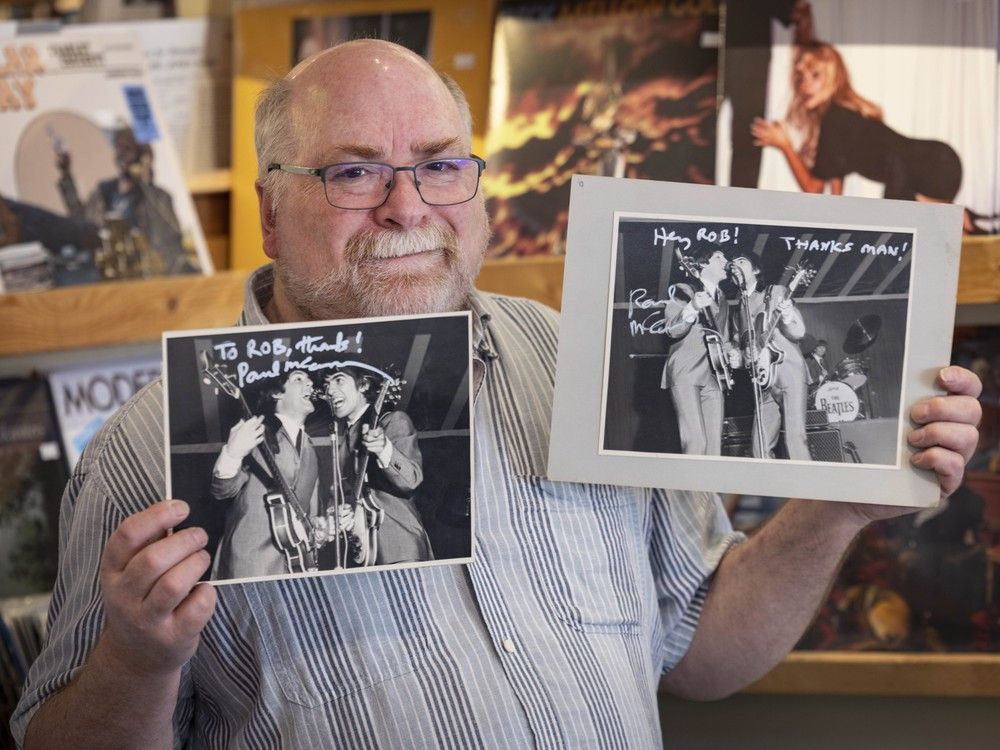
Table of Contents
- Intro — Why this topic still matters
- Inside the Sessions
- Gear & Technique
- The Geoff Emerick Way
- Impact & Legacy
- Local Lens
- Essentials Playlist
- Read the Book
- Source & Notes
Intro — Why this topic still matters
The Beatles are not just another band in music history; they're an enduring cultural phenomenon, renowned for their revolutionary impact on music and society. Recently, a fascinating anecdote has emerged from Rob Frith, a music collector from Vancouver, who presented Paul McCartney with an unreleased 1962 Beatles demo tape. This rediscovery not only added a new chapter to The Beatles' storied legacy but also highlighted the timeless appeal of their early recordings.
Frith's encounter with McCartney acts as a gateway to explore the intricate details of early Beatles recordings and the profound influence of their studio innovations. Understanding how these demos laid the stage for future albums like *Revolver* and *Sgt. Pepper's Lonely Hearts Club Band* offers invaluable insights, particularly when considering Geoff Emerick's pioneering techniques. Anyone interested in profound music history must turn to literature like *Recording Revolution: The Geoff Emerick Story* by William Zabaleta, tapping into Geoff's meticulous craftsmanship and the Beatles' genius.
Inside the Sessions
The Beatles' recording sessions were legendary for their innovation and creativity. The 1962 demo tape Rob Frith unearthed holds a snapshot of a budding band on the brink of worldwide fame. These sessions are a shining example of the formative steps taken in Abbey Road Studios—a space that would become sacred for music innovation, led by their producer George Martin and sound engineer Geoff Emerick.
Emerick's contributions cannot be overstated. His unconventional approaches, such as applying automatic double tracking (ADT) and utilizing varispeed techniques, were fundamental to refining the band's sound. The 1962 demos lacked some of these later refinements, yet laid down the raw energy and melody that would be hallmarks of their mature work. Each recording session increased their ambitions, creating stepping stones for their future groundbreaking work.
Gear & Technique
The technological environment of early Beatles recordings was as much a star as the band members themselves. The instruments and equipment, from Neumann U47 microphones to Fairchild 660 compressors, were pivotal. Engineers like Emerick pushed these tools to new limits.
At Abbey Road, the use of analog tape was critical. Its warm, inviting sound colored the Beatles' recordings in ways that digital media often struggle to capture. Techniques like ADT developed out of both necessity and ingenuity when single vocal tracks were not enough to deliver the intended impact. Similarly, varispeed allowed recordings to shift in pitch and tempo, giving new moods and energies to the tracks.
These advances were chronicled extensively in *Recording Revolution: The Geoff Emerick Story*. Understanding how Emerick sculpted the Beatles' sound will give aspiring musicians and historians an edge in comprehending music production's evolution.
The Geoff Emerick Way
Geoff Emerick was more than just an engineer; he was a catalyst for innovation. His methods went against established norms, making him a maverick in studio engineering. Emerick's ethos was one of curiosity mixed with calculated risk, always striving to overcome recording challenges with unique solutions.
For instance, the decision to place microphones closer to instruments was radical at the time but resulted in capturing more nuanced and dynamic soundscapes. The use of compressors like the Fairchild 660 configured the texture of Beatles recordings in their later years, giving them the remarkable punch and clarity that characterized the band's sound.
Emerick's techniques are documented in the book *Recording Revolution: The Geoff Emerick Story*, making it an essential read for anyone keen on mastering the art of audio engineering or simply interested in the behind-the-scenes of Beatles' records.
Impact & Legacy
The effect of The Beatles and Emerick's recordings resonates even today. The Beatles' music broke barriers and established new paradigms in songwriting and production. Their sound engineering choices have continued to influence countless artists and engineers.
The 1962 demo is more than an artifact; it represents the embryonic state of a revolution that extended far beyond music and permeated popular culture. Tracks from their early sessions still inspire musicians around the globe, proving the band's indomitable legacy.
The influence of their sessions at Abbey Road, highlighted in texts like *Recording Revolution: The Geoff Emerick Story*, is palpable in modern recording techniques and music production practices. Whether you're listening to a chart-topping hit or discovering a new band, the echoes of Emerick’s and The Beatles’ work can surely be heard.
Local Lens
Rob Frith's gesture to Paul McCartney exemplifies the global reach and personal impact The Beatles have had on fans. Imagine a dedicated music enthusiast from Vancouver, holding a piece of musical history that resonates with one of the world's most influential bands. It speaks to the universal appeal of Beatles' music and its power to create tangible connections across generations and geographies.
This local interaction underscores the importance of pushing personal boundaries and engaging with history to contribute to its narrative. The persistence and passion of individuals like Frith play integral roles in preserving the legacy of such cultural phenomena as The Beatles, ensuring that their music continues to endure and inspire.
Essentials Playlist
For those who wish to dive deeper into The Beatles' enriching world, the following songs from their catalog illustrate the groundbreaking nature of their studio work. Each track embodies the spirit of technical brilliance and creative genius that defines their legacy:
- "I Want to Hold Your Hand" — remarkable for its infectious energy and clever use of stereo mixing.
- "Tomorrow Never Knows" — features groundbreaking tape loops and innovative use of studio as an instrument.
- "Strawberry Fields Forever" — includes ADT and varispeed, showcasing Emerick’s boundary-pushing techniques.
- "A Day in the Life" — marries orchestral elements with rock, illustrating ultimate studio craftsmanship.
- "Here Comes the Sun" — displays a mastery of blending simplicity with profound musicality.
Read the Book
If you want to explore the intricate process behind The Beatles' groundbreaking sound, *Recording Revolution: The Geoff Emerick Story* by William Zabaleta is an indispensable resource. Delve into the heart of Abbey Road and discover the techniques and stories that redefined music recording.
For more detailed insights and stories behind the sessions, purchase the book on Amazon or at RecordingRevolution.live. Let the chronicles of Geoff Emerick's revolutionary methods inspire your passion for music production and history.
Source & Notes
This article draws on historical accounts of The Beatles' recording sessions, interviews with music collectors, and insights from the Geoff Emerick book. Special acknowledgment to Neptoon Records and Rob Frith for their remarkable contribution to music history. Additional references can be viewed on the original news article.
```
Comments
Post a Comment